Human-Centered AI
Snapdragon Partners incubates startups, builds breakthrough tools, and provides strategic consulting for organizations embracing human-centric AI & AI‑transformation.
What We Do
We help organizations harness AI in ways that amplify human capability — not replace it.
Startup Studio
We build AI-driven products internally, from concept to launch. Each venture is selected for its potential to put humans at the center of a meaningful AI-powered experience.

Morris In Pilot
A highly-secure agentic learning tool and content management system for family offices and their clients. Morris gives easy access to everything from family trees to financial information through a friendly, personalized, and secure AI agent. Each deployment is individualized per family office.

ClearSocial Coming Soon
A multi-platform social media client with plugins and middleware to enhance the user experience. Built on the Social-media Abstraction and Integration Layer (SAIL), which abstracts the proprietary features of each supported network.
Maestro App Factory
Our open-source agentic development tool organizes AI agents like high-performing human teams — with a Product Manager, Architect, and Coders — to build full applications using structured workflows and professional software engineering principles.
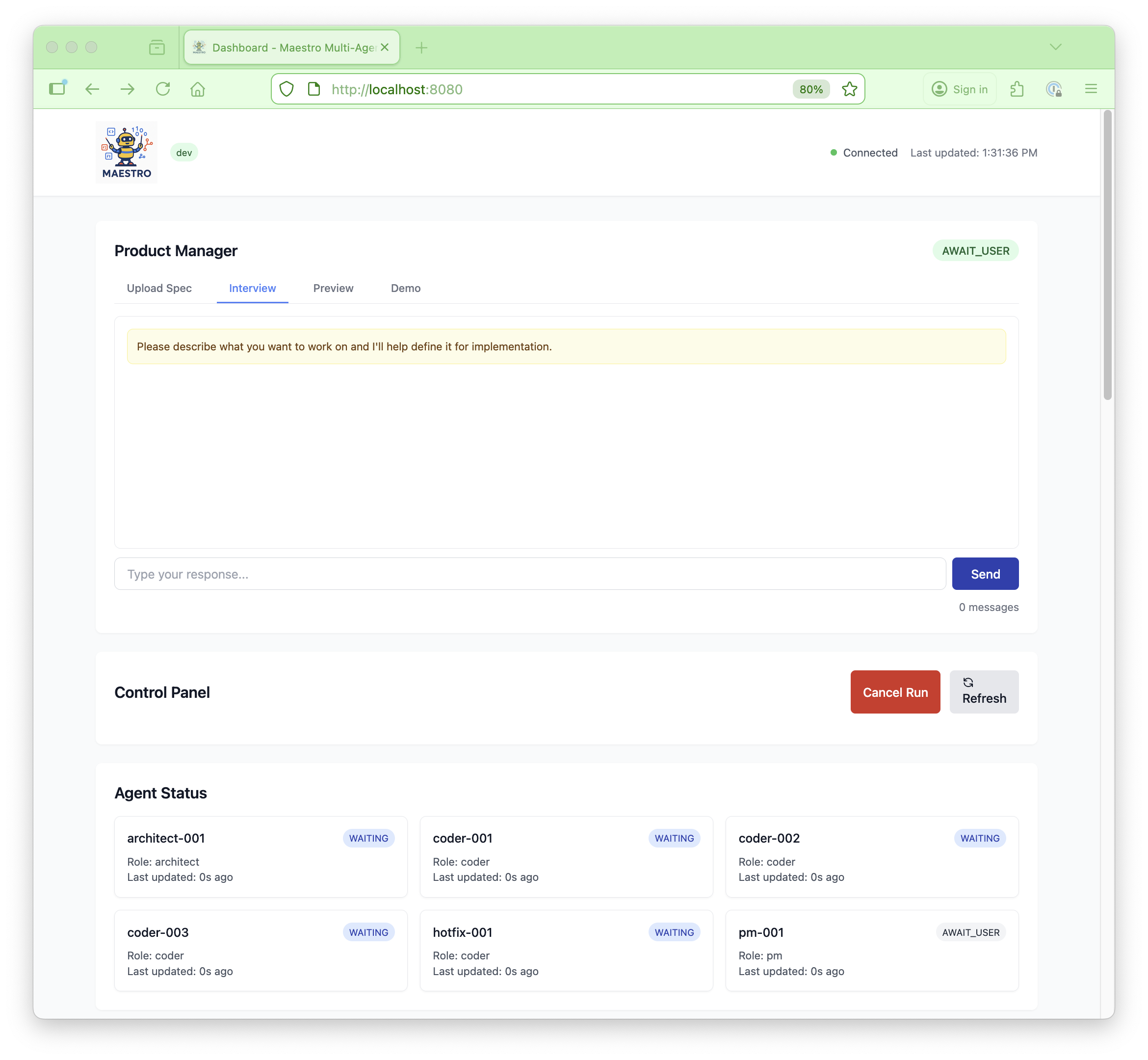
Snapdragon Partners offers premium support and integration packages for Maestro App Factory™. Contact us for details.
Available for Mac and Linux. Free and open source.
AI Transformation Consulting
We work with engineering leaders and product organizations to unlock the potential of AI-assisted development. Our engagements range from hands-on technical builds to organizational transformation.
Get in Touch
Whether you're exploring AI transformation or want to learn more about our work, we'd love to hear from you.
Other Ways to Reach Us
Prefer a different channel? Connect with us on LinkedIn or explore our open-source work on GitHub.
LinkedIn — Snapdragon Partners GitHub — SnapdragonPartners